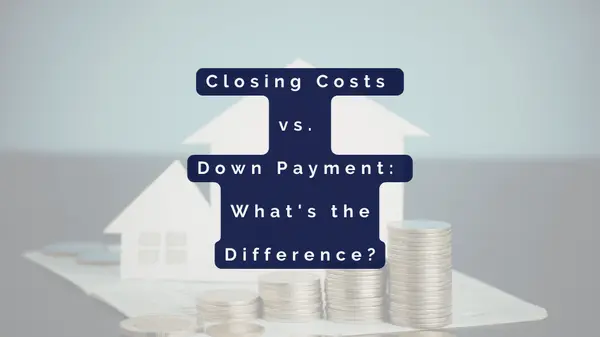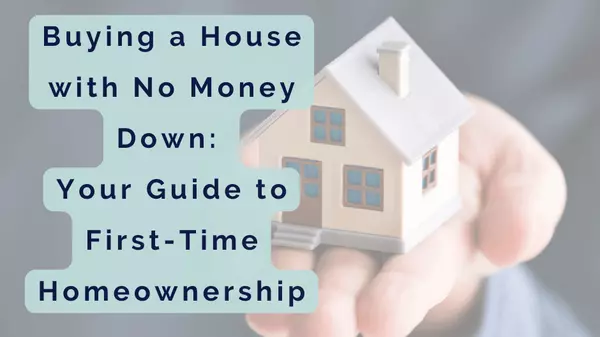

Down Payment vs. Closing Costs: What's the Difference?
The Beginner's Guide to Down Payments and Closing Costs
Hello! I’m so glad you’re here. Whether you’re just starting to scroll through listings or you’ve already found "the one," there is one hurdle that almost every homebuyer faces: The Math.
As a seasoned agent, I see it all the time. A client falls in love with a home and has saved up their down payment, only to be surprised by a second set of numbers at the finish line. If you’ve ever found yourself wondering, "Wait, aren't those the same thing?"—don't worry! You are not alone.
Let’s pull back the curtain on Down Payments vs. Closing Costs and break them down into bite-sized pieces so you can head to the closing table with total confidence.
🏠 The Down Payment: Your "Slice" of the House
Think of the down payment as your equity starter kit. This is the portion of the home’s purchase price that you pay upfront, and it determines how much money you’ll actually be borrowing from the bank.
The Highlights:
-
Where it goes: Directly toward the price of the house.
-
The "20% Myth": You’ve probably heard you need 20% down. While 20% is great because it helps you avoid Private Mortgage Insurance (PMI), many buyers in 2026 are using programs that require much less.
-
Common Options:
-
FHA Loans: Typically 3.5% down.
-
Conventional Loans: Can be as low as 3% for first-time buyers.
-
VA & USDA Loans: Often 0% down for those who qualify!
-
Real Estate Pro Tip: Even if you put 0% down, the house isn't "free" on day one. That’s where our next topic comes in!
📑 Closing Costs: The "Cost of Doing Business"
If the down payment is your investment in the house, closing costs are the fees you pay to the people who made the transaction happen. This includes the lender, the title company, the local government, and even the appraiser.
In 2026, we typically see closing costs range from 2% to 5% of the purchase price.
What’s inside that "Closing Cost" bag?
-
Loan Origination Fees: What the bank charges to set up your mortgage.
-
The Appraisal: Paying a pro to confirm the house is actually worth what you’re paying.
-
Title Insurance: Making sure no one else can legally claim they own your new backyard.
-
Government Recording Fees: The cost to tell the county, "Hey, this is mine now!"
-
Prepaids: This is the big one people forget. Lenders often want you to pay a few months of homeowners insurance and property taxes upfront into an escrow account.
🤝 How They Work Together: "Cash to Close"
When your lender gives you that final document (the Closing Disclosure), you’ll see a line called Cash to Close.
This is simply the Down Payment + Closing Costs - Any Deposits (Earnest Money) you’ve already paid. It is the total amount you need to bring to the title company on the big day.
Let’s look at a quick 2026 example: If you’re buying a $300,000 home with a 3.5% FHA loan:
-
Down Payment: $10,500
-
Closing Costs (Est. 3%): $9,000
-
Total Cash Needed: $19,500
💡 How to Save Some Cash
Can’t swing both? Don't panic. Here are two "secret weapons" we use as agents:
-
Seller Concessions: In many markets right now, we can negotiate for the seller to pay some or all of your closing costs. It’s like a "moving-in" gift that saves you thousands.
-
Down Payment Assistance (DPA): There are more DPA programs available in 2026 than ever before. Some are grants (free money!) that can cover your down payment or closing costs if you meet certain criteria.
I’ve put together this "Cash to Close" Master Checklist for you. Think of this as your final "cheat sheet" to ensure there are zero surprises during that final week of your home buying journey.
Yes, I want the Cash to Close Checklist!
✨ “Helping you find the home that sparks joy.”
Christina Sparks > Realtor | Real Broker > Owner, House of Sparks > 📍 Serving Springfield, MO & Surrounding Areas
📞 417-350-6419 🌐 thehouseofsparks.com
Categories
Recent Posts